The Project

This music carries a smile inside.

Born in the 1920s, the sound of the saxophone was once new, daring, and full of sparkle. It laughed, it danced, it showed off — and it captured hearts.Saxophilm: Sounds and Sights of the Roaring 20s is a love letter to that moment in time, when the saxophone didn’t belong to any single world; not quite classical, not quite jazz, its’ music borrowed freely, shimmered brightly, and spoke with a voice entirely its own. These pieces are virtuosic, yes — but above all, they are joyful.

My journey with this music began in 1996, in the quiet corners of the West Chester University library. There, I first heard these classics on two of my professor’s albums — music that felt playful and elegant, nostalgic and alive all at once. I had never heard the saxophone sing this way before. It was impossible not to be changed by it. The music was written and performed by Rudy Wiedoeft, a saxophone superstar and household name of his time.

Pieces like Saxophobia, Saxarella, and Sax-O-Trix are musical postcards from another era—brant, brilliant flashes of personality. My hope is that this music stirs something in you, crosses generations, and invites you to linger a little longer.

History is woven into every note you hear.

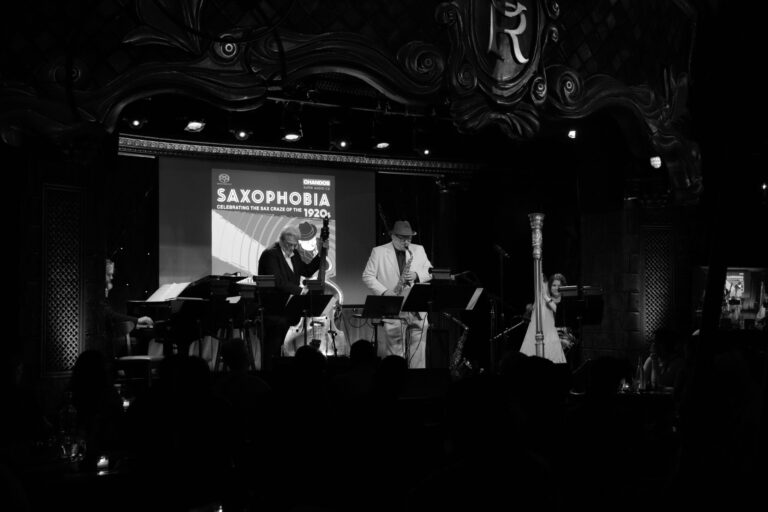
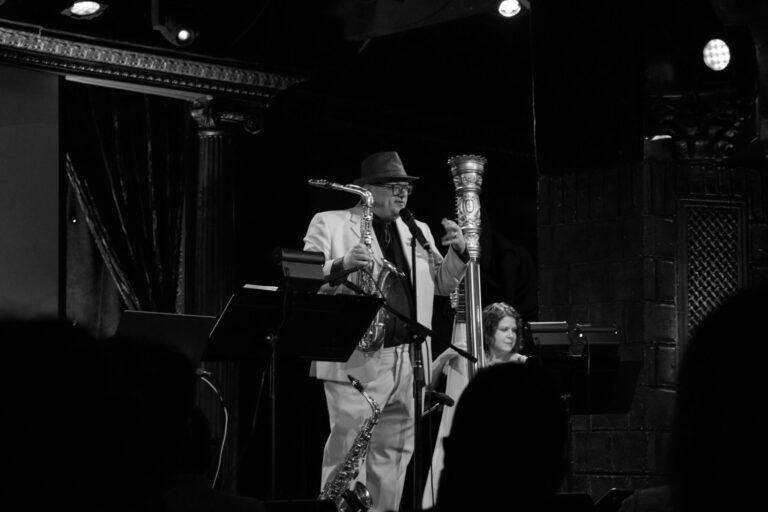
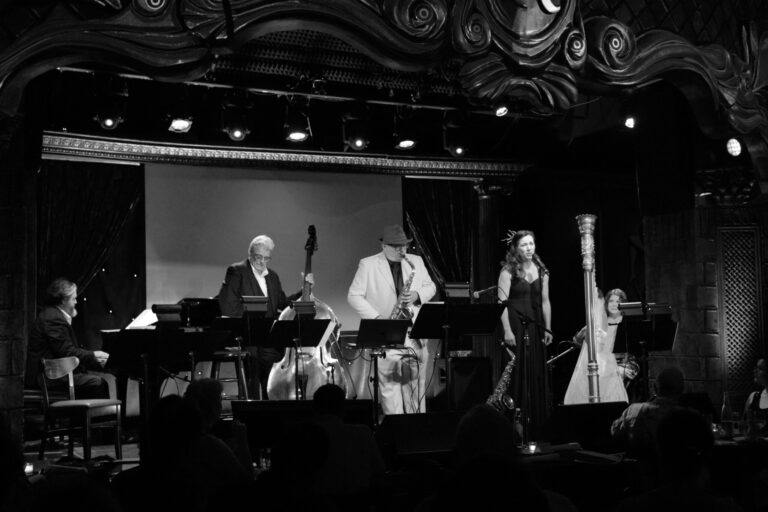
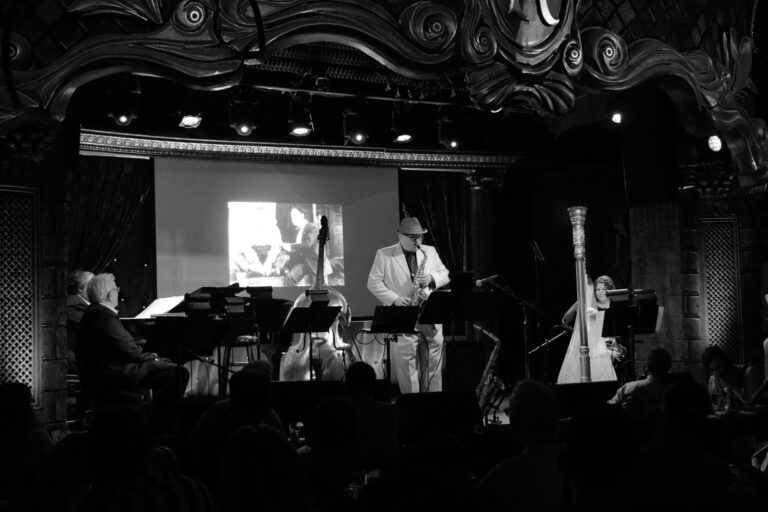
The C melody saxophone I use on this album once belonged to my teacher, Ted Hegvik. It is the very instrument that first introduced me to this sound. The C melody has a range between an alto and tenor saxophone and is rarely heard today. The alto saxophone I perform on was once Al Gallodoro’s, a legendary voice of the New York music scene. These instruments have stories to tell. I invite you to listen as they speak again. Thoughtful arrangements by veterans Dan Higgins, Lanny Meyers and Andrew Cottee elevate this music to the concert stage. This music never existed with an orchestra before. Genre-defying Broadway and Opera star, Mikaela Bennett lights up the lyrical songs by Victor Herbert and Irving Berlin. Most importantly, my long-time collaborators Dalton Ridenhour (piano) and Lynette Wardle (harp) add their unique style to these gems — both in interpretation and century-old flair.

This was surely an artistic experience of a lifetime, three days of recording I will cherish forever. The 1920s reimagined…

Saxatively yours,
Chad Smith

Listening

Sax-O-Trix

Chad Smith

Buy the Album

Play Pause

Dans L’orient

Chad Smith

Buy the Album

Play Pause

Danse Hongroise

Chad Smith

Buy the Album

Play Pause

Performance Videos

Reviews

BBC 3 Record Review

Play Pause

Coloeurs Jazz

Link Here

Music Web International

Link Here

Cultural Attache

Link Here

The Times (London)

 The best new classical albums to listen to this month Chad Smith/John Wilson Saxophobia Chandos
★★★★☆

In 1914 the Vatican placed a ban on church use of the sax’s slinky, honeyed, insinuating tones. The saxophone, the argument went, was the “devil’s horn” — though that hardly suits the instrument played so jovially and skilfully on this delightful album by the American saxophone and woodwind specialist Chad Smith and John Wilson’s Sinfonia of London.  
The repertoire comes from the late 1910s and 1920s, and is mostly composed by Rudy Wiedoft, absolute master of diverting creations that put jazz, dance and light classical music into a blender, producing cocktails with titles like Sax-O-Trix, Sax-O-Phun and, of course, Saxophobia. Astonishing is the word for the speed and elegance of Smith’s fingering and the smooth tone as his notes burble forth. Wilson and the Sinfonia’s orchestral manoeuvres behind him are equally polished and swift.

Admittedly, listener fatigue may occasionally arise during the album’s 18 tracks. Yet changes of tempo and texture aren’t ever far away. You get expert singing from Mikaela Bennett and attractive harp sounds from Lynette Wardle. There’s the veiled impressionism of Cloudy Days, the raucous jazz of Canary Cottage One-Step and an alternately brooding and wild Danse Hongroise definitely not written by Liszt or Brahms. Every performer, you can tell, is having fun. And classical music lovers deserve fun too. 

-Geoff Brown

Gramophone

Well, what do you know? Having recorded upwards of 30 albums for Chandos, conductor John Wilson has returned to the repertoire where he cut his teeth as a recording artist under a title that masks the scholarship, musicianship and, yes, showmanship that this release possesses to the nth degree. The centre of attention is Rudy Wiedoeft (1893-1940), a composer and saxophone virtuoso who went on to become a household name, revolutionising saxophone technique and composing a stream of ragtime numbers, the title often carrying the prefix ‘sax’. His popularity was such that the all-round American entertainer and saxophonist Rudy Vallée adopted the name ‘Rudy’ after his role model. The 40-page booklet on the man and his music intermingles vintage photographs with those of the recording sessions, with contributions from Chad Smith, the set’s star saxophonist, and Doug Caldwell, writer and no mean authority on 1920s music. And let’s not forget Gramophone’s coverage of Wiedoeft’s recordings, one picked out by ‘Peppering’ as one ‘of the records which I shall personally keep to play to friends at cocktail time’ (10/1926).

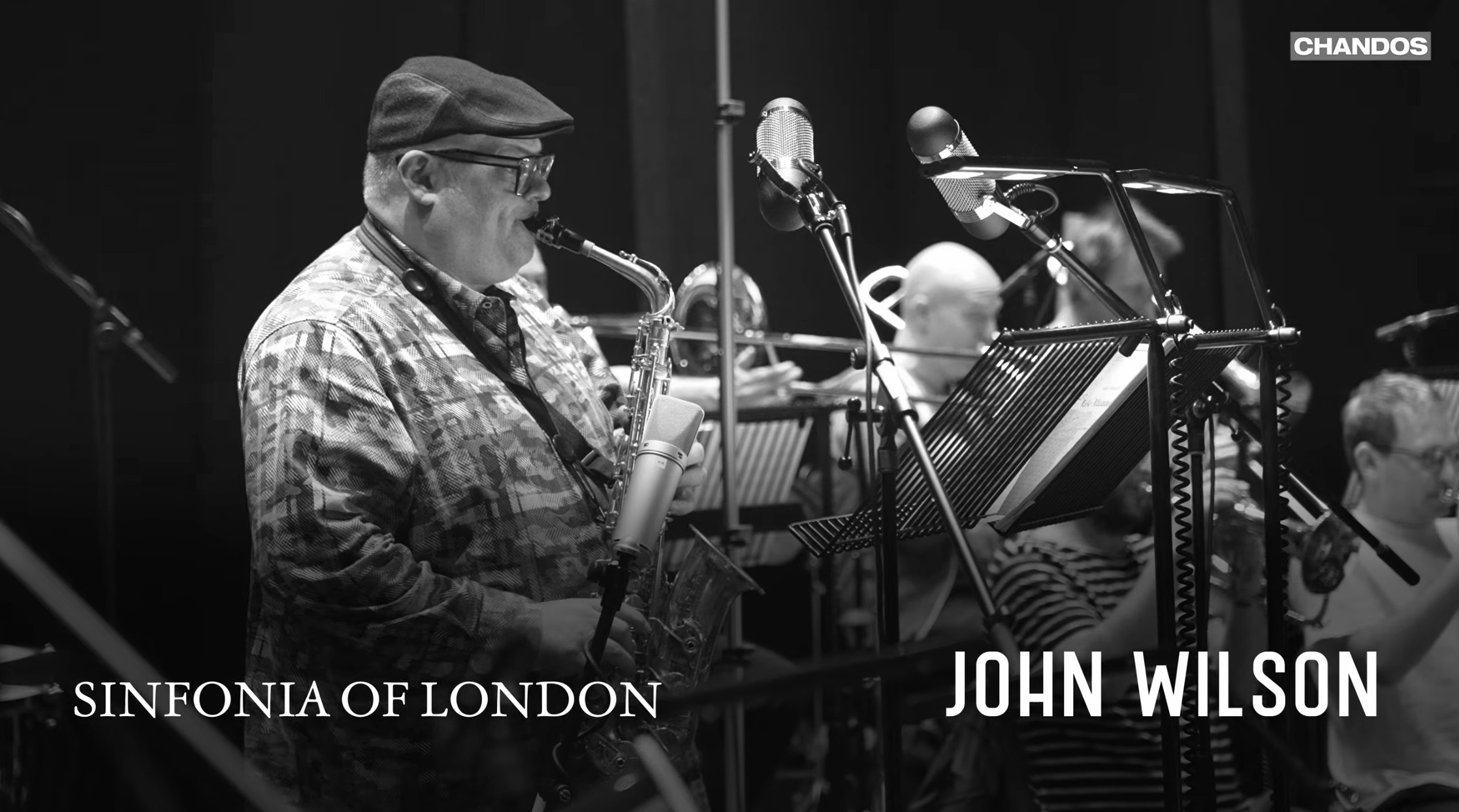
Chad Smith is a wonder at capturing the artistry of Weidoeft, lending the saxophone a semi-comic personality with his slap tongue and staccato passages, his sinuous tone gliding through the legato lines. The affectionate period arrangements, the likes of which I haven’t heard since André Previn conducted and scored the songs for Julie Andrews in Thoroughly Modern Millie (Brunswick, 1/68), are shared among the luminaries of the business, the lion’s share of them going to Lanny Meyers: sample the knock-about Keystone Kops routine in Saxophobia, the carnival vibe to Sax O Phun or the palm court air in the premiere recording of the whimsical Cloudy Days. Andrew Cottee hits the bullseye with Danse hongroise, styled after a Liszt Hungarian Rhapsody, stunningly executed by Chad Smith and the Sinfonia of London. The voice of Mikaela Bennett graces Cottee’s arrangements of songs by Herbert and Berlin, her sincerity and warmth so at one with their sentiments. In Berlin’s ‘You forgot to remember’, surely one of his loveliest, the restrained string chart with muted trumpets and the mellow saxophone, voice and band blend as one, though recorded either side of the big pond. Lynette Wardle partners her husband Chad Smith in a similar picture of intimacy in her adaptation of Dans l’Orient. The Canary Cottage-One Step by songwriter and impresario Earl Carroll features a quintet of front-rank players, of whom I should single out Dalton Ridenhour on account of his Joplinesque stride in the cheeky Saxema.John Wilson conducts with that intuitive rapport between himself and his players, each number imbued with a buoyant energy, in a seemingly effortless manner. The Susie Sainsbury Theatre offers the perfect platform for this band of some two dozen players from the Sinfonia of London. The rehearsal pictures alone tell you that they are loving every moment.

-Adrian Edwards

Photos